
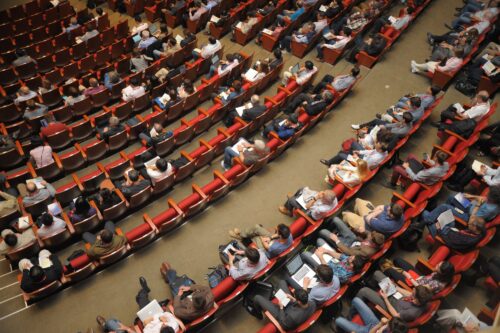
Meetings provide the first, the most frequently repeated, and the most pervasive opportunity we have to walk our talk. […] If how we speak to our coworkers and our customers during meetings doesn’t match up with the values poster up on the wall, everyone can see that our organization lacks integrity.
J. Elise Keith, «Where the Action is»
Typische Situationen zur Überarbeitung von Meetings
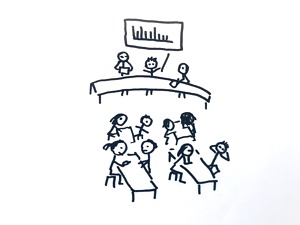
Sam ist seit kurzem Führungskraft. Jetzt platzt ihre Agenda aus allen Nähten – Meetings mit Vorgesetzten, Projektleiterinnen, Kunden, Mitarbeitenden und Experten schlucken jede Minute Zeit, die sie sich doch für strategische Aufgaben reservieren wollte. Oft muss sie während der Meetings am Laptop noch Mails bearbeiten – und auch so kann sie selten vor sieben Uhr Feierabend machen. Wie bekommt Sam die Kontrolle über ihre Agenda zurück?
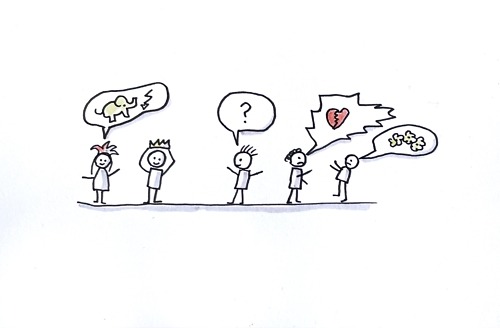
David wünscht sich, dass seine Mitarbeitenden sich etwas mehr engagieren und Verantwortung übernehmen. In Meetings ist er oft der einzige der spricht: Ziele vorstellen, Entscheide kommunizieren, Woche planen. Gerne möchte er, dass sich die Mitarbeitenden in den Meetings mehr beteiligen, Vorschläge einbringen, kritische Fragen stellen oder sich am Finden von Lösungen konstruktiv beteiligen. Wie kann er sein Team dazu motivieren?
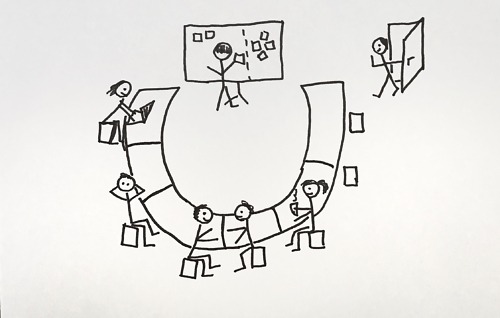
In Michelles Organisation läuft es rund, aber die Führungskräfte sind am Limit. Immer wieder hört sie, dass es einfach zuviele Meetings gibt und dass die eigentliche Arbeit nach Feierabend erledigt werden muss. Wie kann Michelle die Meetings ihrer Organisation «entschlacken», so dass die Führungskräfte entlastet und die Informationsflüsse seitwärts, nach oben und unten effizienter werden?
Sie wünschen sich
- Eine effiziente Nutzung der Zeit, welche in Meetings verbracht wird?
- Mitarbeitende, welche sich in den Meetings einbringen, weil sie wissen, dass ihre Beiträge auch Wirkung entfalten?
- Eine Schärfung der bestehenden Meetings, so dass sich aus den bestehenden Informationsformaten wieder ein sinnvoll zusammenspielendes Ganzes ergibt?
- Eine Entschlackung ihrer Agenda, so dass sie mehr Zeit für strategische oder operative Aufgaben finden?
- Meetings, in welchen eine positive Organisationskultur gelebt wird und welche die Werte ihrer Organisation reflektieren?
- Impulse, um mit neuen Formaten die Beteiligung oder das Engagement von Mitarbeitenden in Meetings zu fördern?
Mein Angebot im Bereich «Überarbeitung von Meetings»
Workshop 1: Analyze and Cleanup Your Meetings
Target Group: Leaders, Teams, Organisations
Duration: 2h for 1:1 coaching, half a day for one team / small organisation
Focus:
- Clean up your agenda
- Analyse which meetings should stay, which meetings should go, which meetings need to be transformed
- Which meetings should be on-site, which could be held remotely?
Welche Meetings gibt es in Ihrer Organisation momentan? Was sind die Ideen und Zielsetzungen dahinter? Welchen Nutzen im Verhältnis zum Aufwand hat jedes einzelne Meeting für Sie? Gibt es Meetings, an denen Sie möglicherweise nicht teilnehmen müssen? Lassen sich gewisse Ziele effizienter erreichen als mit einem Meeting? Diese und weitere Fragen helfen dabei, die Ausgangslage für eine Reorganisation der Meetings zu schaff
Workshop 2: Re-orchestrating Your Organization's Meetings
Target Group: Teams, Organizations
Duration: Half a day up to two days
Focus:
- Coordinate and align all your meetings with each other
- Sharpen the focus of each meeting by looking at the communication flow as a whole
- Clarify roles and expectations
- Establish your own Meeting Cleanup Process (MCP)
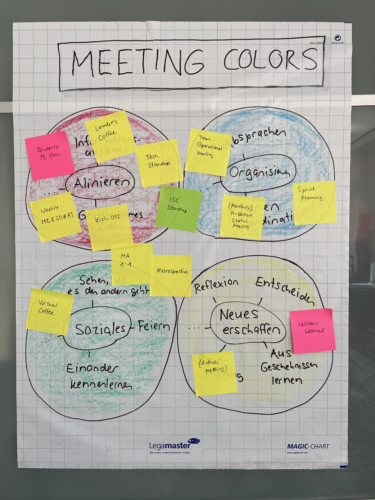
Sharpen the focus of the meetings in your organization: How do I balance the need for social exchange and "cultural transmission" with business needs? How do we transport cultural values in the way our meetings are designed and held?
What is the purpose of each meeting? Is it an operative meeting where we organize our daily work? Or rather a governance meeting, where the organization itself is developed?
Establish the criteria on which you will decide whether a new meeting is created in the future or whether a meeting is not needed anymore.
Workshop 3: Internal Design of Meetings
Target Group: Meeting sponsors like managers, team leads, project leads, Scrum masters or teams as a whole
Duration: 1 day
Focus:
- Detailed design and facilitation of single meetings
- Make the meetings you have more attractive and more fun
- Foster participation and commitment
- Effective time management
- Remote or on-site?
- Tools for decision making, idea generating, collaboration
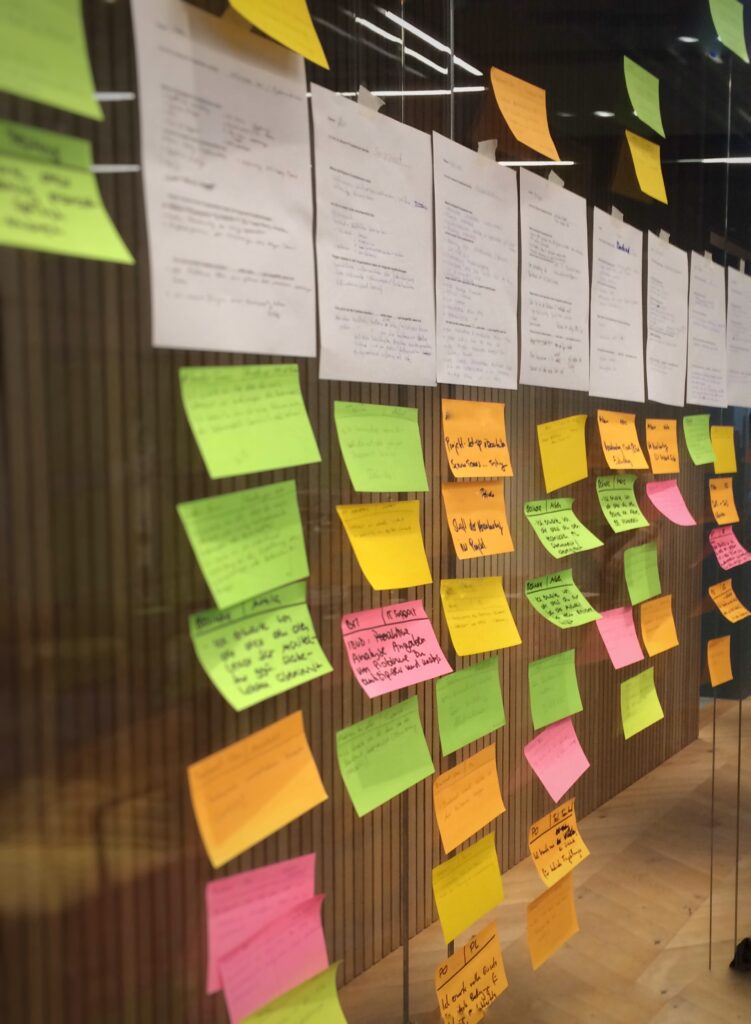
How do you use the design of a meeting for daily team development? Which tools help to reach meeting goals effectively? Which tips and trick help to facilitate a meeting with lots of people participating? Which structure is best for which meeting? Check-In's and Wrap-Ups - Do's and Don'ts What is different with Remote Meetings?
Inspirations from agile provide a huge amount of ideas in this respect (Sociocracy, Kanban, Scrum), but also the techniques found in Liberating Structures.